If you’ve been staring at a jar of sourdough discard in your fridge, wondering what to do with it that isn’t another dense loaf of bread, this is your answer. This high-protein cottage cheese sourdough discard flatbread is the kind of recipe that makes you feel like you’ve hacked the system. It’s soft, it’s tangy, and it’s packed with protein thanks to that creamy cottage cheese.
I stumbled onto this combination one morning when I had leftover discard and a half-eaten tub of cottage cheese that needed using up. Honestly, I wasn’t expecting much. But the first time I flipped that flatbread in the pan and saw those golden bubbles form, I knew I had something special. Let me tell you why this recipe is going to become a staple in your kitchen.
- Quick & Easy: From bowl to plate in under 20 minutes. No kneading, no rising, no complicated steps.
- Simple Ingredients: You likely have everything in your fridge and pantry right now. No fancy grocery runs required.
- High-Protein Powerhouse: With cottage cheese and sourdough discard, each flatbread packs a serious protein punch. Perfect for post-workout refueling or keeping you full until lunch.
- Perfect for Meal Prep: Make a batch on Sunday and use them all week for wraps, breakfast sandwiches, or quick pizzas.
- Incredibly Versatile: Eat them plain, stuff them, dip them, or top them. They work for every meal of the day.
- Zero-Waste Hero: Finally, a delicious way to use up that sourdough discard instead of throwing it away.
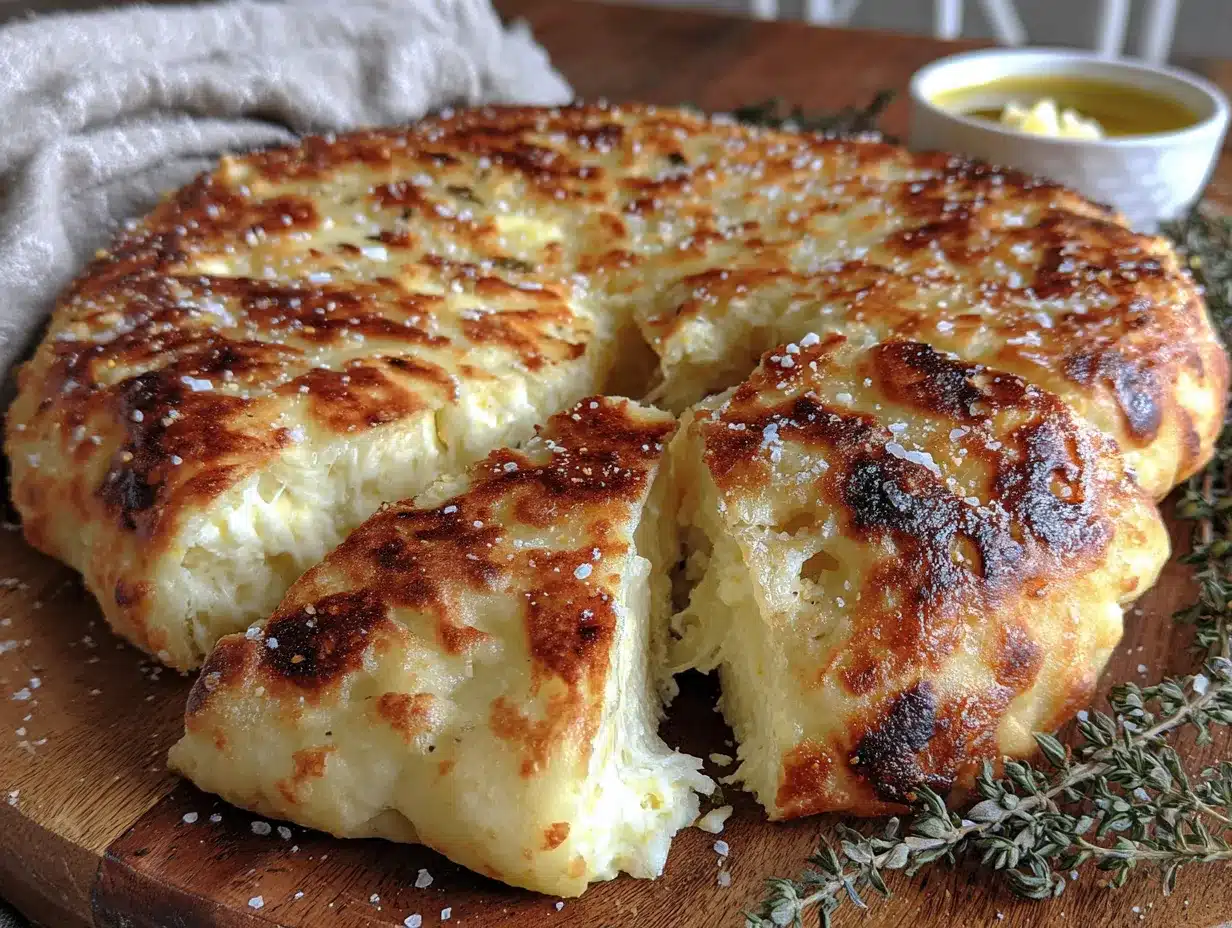
What makes this flatbread different from every other flatbread recipe out there is the texture. The cottage cheese melts into the dough as it cooks, creating these impossibly soft, almost creamy pockets throughout. Meanwhile, the sourdough discard gives it that subtle tang that makes you want to keep eating. It’s not just another flatbread—it’s the flatbread that will actually make you excited about your leftovers.
What Ingredients You Will Need
This recipe uses simple, wholesome ingredients that come together to deliver something truly special. The magic happens when the tangy sourdough discard meets the creamy cottage cheese. Here’s what you’ll need:
- Sourdough discard (1 cup, unfed) – This is the heart of the recipe. Use discard straight from the fridge. If you don’t have a sourdough starter, you can use a mixture of equal parts flour and water that has been sitting overnight. But honestly, the real deal tastes better.
- Cottage cheese (1 cup, full-fat or low-fat) – I prefer full-fat for the creamiest texture, but low-fat works too. Look for small-curd cottage cheese for a smoother consistency. I’ve found that Good Culture brand gives the best results—it’s thick and doesn’t get watery.
- All-purpose flour (1/2 cup) – Just enough to bring the dough together. You can substitute whole wheat pastry flour for a nuttier flavor.
- Egg (1 large) – Helps bind everything and adds extra protein. Room temperature is best.
- Salt (1/2 teaspoon) – Don’t skip this. It balances the tanginess of the sourdough.
- Garlic powder (1/2 teaspoon) – Optional but highly recommended. It adds a savory depth that makes these flatbreads addictive.
- Olive oil or butter (for cooking) – I use avocado oil for its high smoke point, but butter gives a richer flavor.
That’s it. Seven ingredients, most of which you probably already have. The beauty of this recipe is how forgiving it is. If your discard is a little too liquid, add an extra tablespoon of flour. If it’s too thick, splash in a little milk. Cooking is about feeling, not perfection.
Equipment Needed
You don’t need a fancy kitchen to make these flatbreads. Here’s what I use:
- Mixing bowl – Any medium-sized bowl works. I use a glass one so I can see the consistency.
- Whisk or fork – For beating the egg and mixing everything together.
- Non-stick skillet or cast iron pan – Cast iron gives you the best browning, but a good non-stick pan works perfectly. I’ve used both and honestly, my non-stick is easier for beginners.
- Spatula – A thin, flexible spatula makes flipping easier.
- Measuring cups and spoons – Standard set. No need for a scale unless you’re a precision baker.
- Paper towels – For wiping out the pan between batches. Trust me on this one.
If you don’t have a cast iron pan, don’t run out and buy one. Your regular non-stick skillet will do just fine. The key is making sure the pan is hot before you add the batter—that’s what gives you those beautiful golden spots.
Preparation Method
Let’s get cooking. This recipe moves fast, so have everything ready before you start.
- Combine the wet ingredients. In your mixing bowl, add 1 cup of sourdough discard, 1 cup of cottage cheese, and 1 large egg. Whisk until the cottage cheese breaks down a bit and everything is well combined. It will look a little lumpy—that’s okay. Those little curds will melt into beautiful pockets of creaminess as they cook.
- Add the dry ingredients. Sprinkle in 1/2 cup of all-purpose flour, 1/2 teaspoon of salt, and 1/2 teaspoon of garlic powder. Stir until just combined. Don’t overmix, or the flatbreads will be tough. The batter should be thick but still pourable—like a very thick pancake batter. If it looks too runny, add another tablespoon of flour.
- Let the batter rest. This is the hardest step because you want to eat immediately. Let the batter sit for 5 minutes. This allows the flour to hydrate and the sourdough discard to relax. You’ll notice the batter thickens slightly.
- Heat your pan. Place your skillet over medium heat and add a drizzle of olive oil or a pat of butter. Let it get hot—you should see the oil shimmer. If you add a drop of water to the pan and it sizzles immediately, you’re ready.
- Cook the flatbreads. Pour about 1/4 cup of batter into the center of the pan. Use the back of a spoon or the bottom of the measuring cup to spread it into a circle about 5 inches wide. Don’t make it too thin, or it will be crispy rather than soft. Cook for 2-3 minutes, until you see bubbles forming on the surface and the edges look set. The bottom should be golden brown.
- Flip and finish. Carefully flip the flatbread using your spatula. Cook for another 1-2 minutes on the second side, until it’s golden and cooked through. The flatbread should feel firm but springy when you press it.
- Repeat with remaining batter. Wipe out the pan with a paper towel between batches to remove any burnt bits. Add fresh oil each time. This recipe makes about 6 flatbreads, depending on size.
- Keep warm. Stack the cooked flatbreads on a plate and cover with a clean kitchen towel. They’ll stay soft and warm while you finish cooking the rest.
A few things to watch for: If your flatbreads are browning too quickly, turn the heat down. If they’re pale and not getting any color, turn it up. Every stove is different, so trust your eyes more than the timer.
Cooking Tips & Techniques
I’ve made this recipe at least twenty times, and I’ve learned a few things the hard way. Here’s what I wish someone had told me:
Don’t skip the rest time. I know you’re hungry. I’ve been there. But that 5-minute rest is non-negotiable. The first time I made these, I was in a rush and skipped it. The flatbreads were dense and gummy instead of light and tender. Let the batter rest—it makes a real difference.
Use medium heat, not high. High heat will burn the outside before the inside is cooked through. Medium heat gives you that beautiful golden color without the burnt spots. If you’re using cast iron, you might need to go slightly lower since cast iron holds heat so well.
Don’t crowd the pan. Cook one flatbread at a time. I know it’s tempting to try and cook two at once, but they’ll spread into each other and you’ll end up with one giant, oddly-shaped flatbread. Patience pays off here.
Watch for the bubbles. When the surface of the flatbread is covered in tiny bubbles and the edges look dry, it’s time to flip. If you flip too early, the batter will stick to your spatula and make a mess. I learned this one the messy way.
Keep them covered. Once you stack the cooked flatbreads under a towel, the steam keeps them soft and pliable. If you leave them uncovered, they’ll dry out and get stiff. Unless you’re going for a crunchier texture—in which case, leave them uncovered and they’ll crisp up nicely.
Variations & Adaptations
This recipe is incredibly flexible. Here are some ways to make it your own:
Herb and Garlic Flatbread: Add 1 tablespoon of chopped fresh herbs (rosemary, thyme, or chives work beautifully) to the batter. The herbs get fragrant as they cook and make these perfect for dipping in olive oil.
Cheesy Everything Flatbread: Sprinkle a handful of shredded mozzarella or parmesan onto the batter right after you pour it into the pan. The cheese melts and creates these crispy, lacy edges that are absolutely addictive.
Gluten-Free Version: Substitute the all-purpose flour with a 1:1 gluten-free flour blend. I’ve used Bob’s Red Mill with good results. The texture will be slightly different—a bit more delicate—but still delicious.
Lower-Carb Option: Replace the flour with almond flour or coconut flour. If using coconut flour, reduce the amount to 1/4 cup since it absorbs more liquid. These will be denser but still satisfying.
Spicy Southwest Style: Add 1/2 teaspoon of cumin, 1/4 teaspoon of chili powder, and a pinch of cayenne to the batter. Serve these with black beans, avocado, and salsa for an incredible vegetarian meal.
Sweet Breakfast Version: Omit the garlic powder and salt. Add 1 tablespoon of honey or maple syrup and 1/2 teaspoon of cinnamon to the batter. Cook in butter and serve with fresh fruit and a drizzle of honey. My kids devour these.
I once made a batch with leftover roasted red peppers blended into the batter. It turned the flatbreads a beautiful pinkish-orange color and added a subtle sweetness. Sometimes the best variations come from cleaning out the fridge.
Serving & Storage Suggestions
These flatbreads are incredibly versatile. Here’s how I like to serve them:
As a wrap: Fill them with grilled chicken, fresh veggies, and a dollop of tzatziki for an easy lunch. They’re sturdy enough to hold fillings without falling apart, unlike some store-bought wraps I could name.
Alongside soup or stew: These are perfect for dipping into a warm bowl of cozy stuffed pepper soup. The sourdough tang cuts through the richness beautifully.
As a pizza base: Top with tomato sauce, mozzarella, and your favorite toppings, then bake at 400°F for 5-7 minutes. You get a crispy, chewy pizza in under 10 minutes.
For breakfast: Toast one lightly, spread with butter and jam, or use it as the base for a breakfast sandwich with egg and cheese.
Storage: Let the flatbreads cool completely, then stack them with a piece of parchment paper between each one. Place them in an airtight container or zip-top bag. They’ll keep in the refrigerator for up to 5 days.
Freezing: These freeze beautifully. Wrap the stack tightly in plastic wrap, then place in a freezer bag. They’ll keep for up to 3 months. To thaw, just pop them in the toaster or microwave for 20 seconds.
Reheating: The best way to reheat is in a dry skillet over medium heat for about 30 seconds per side. This brings back the soft, slightly chewy texture. The microwave works in a pinch, but the texture won’t be as good.
One thing I love about these flatbreads is that the flavors actually develop over time. They’re good fresh, but they’re even better the next day. The sourdough tang deepens, and the cottage cheese flavor mellows into something really pleasant.
Nutritional Information & Benefits
Here’s the approximate nutritional breakdown per flatbread (based on 6 servings):
- Calories: 145
- Protein: 12g
- Carbohydrates: 16g
- Fat: 4g
- Fiber: 1g
- Sugar: 2g
The protein content is what really sets these apart. Cottage cheese is packed with casein protein, which digests slowly and keeps you feeling full for hours. Combined with the protein from the egg and the sourdough, you’re looking at a flatbread that actually fuels your body.
Sourdough discard also has some surprising benefits. The fermentation process breaks down phytic acid, making the nutrients in the flour more bioavailable. Plus, the natural probiotics from fermentation can support gut health—though most of them don’t survive the cooking process, the prebiotic fibers remain.
This recipe is naturally vegetarian and can be made gluten-free with the right flour substitution. It’s also relatively low in calories for a bread product, making it a great option if you’re watching your intake. The main allergen to be aware of is dairy (from the cottage cheese) and gluten (from the flour).
Conclusion
This high-protein cottage cheese sourdough discard flatbread has honestly changed the way I think about leftovers. What started as a way to use up two things I didn’t know what to do with has become a recipe I genuinely look forward to making. It’s proof that the best cooking often comes from necessity and a little bit of curiosity.
Whether you’re a seasoned sourdough baker with a fridge full of discard or someone who just picked up a tub of cottage cheese on a whim, I hope you give these a try. They’re forgiving, they’re flexible, and they’re downright delicious. And if you make them your own with some fun add-ins or toppings, I’d love to hear about it.
Drop a comment below and let me know how your flatbreads turned out. Did you go savory or sweet? What did you stuff them with? Your feedback helps other readers—and it helps me keep creating recipes you’ll actually want to cook. Happy cooking, friends!
Frequently Asked Questions
Can I use active sourdough starter instead of discard?
Yes, you can. The flatbreads will be slightly puffier and less tangy since active starter has more gas. Reduce the amount slightly—about 3/4 cup instead of 1 cup—and you might need to add a tablespoon more flour to get the right consistency.
My batter seems too runny. What should I do?
If your batter is thinner than thick pancake batter, add more flour one tablespoon at a time until it thickens up. Different brands of cottage cheese have different moisture levels, so you may need to adjust. The batter should hold its shape when you drop it into the pan.
Can I make these dairy-free?
Absolutely. Substitute the cottage cheese with a dairy-free alternative like silken tofu blended with a splash of lemon juice and salt. The texture will be slightly different, but still delicious. Use vegan butter or oil for cooking.
Why are my flatbreads sticking to the pan?
Your pan might not be hot enough, or you might need more oil. Make sure the oil is shimmering before you add the batter. Also, let the flatbread cook until the edges are set and bubbles form before trying to flip. If it’s still sticking, give it another 30 seconds.
Can I double this recipe?
Yes, this recipe doubles beautifully. Just make sure you have a large enough bowl to mix everything. Cook the flatbreads in batches and keep them warm under a towel. They’ll stay soft and delicious while you finish cooking the rest.
Pin This Recipe!

High-Protein Cottage Cheese Sourdough Discard Flatbread

This high-protein cottage cheese sourdough discard flatbread is soft, tangy, and packed with protein. Quick and easy to make in under 20 minutes, it’s perfect for wraps, breakfast sandwiches, or quick pizzas.
- Prep Time: 10 minutes
- Cook Time: 10 minutes
- Total Time: 20 minutes
- Yield: 6 flatbreads 1x
- Category: Bread
- Cuisine: American
Ingredients
- 1 cup sourdough discard (unfed)
- 1 cup cottage cheese (full-fat or low-fat)
- 1/2 cup all-purpose flour
- 1 large egg
- 1/2 teaspoon salt
- 1/2 teaspoon garlic powder (optional)
- Olive oil or butter (for cooking)
Instructions
- In a mixing bowl, combine 1 cup sourdough discard, 1 cup cottage cheese, and 1 large egg. Whisk until well combined (some lumps are okay).
- Add 1/2 cup all-purpose flour, 1/2 teaspoon salt, and 1/2 teaspoon garlic powder. Stir until just combined. Batter should be thick but pourable.
- Let the batter rest for 5 minutes to hydrate the flour.
- Heat a non-stick skillet or cast iron pan over medium heat. Add a drizzle of olive oil or a pat of butter.
- Pour about 1/4 cup of batter into the center of the pan. Spread into a 5-inch circle. Cook for 2-3 minutes until bubbles form and edges look set.
- Flip the flatbread and cook for another 1-2 minutes until golden and cooked through.
- Repeat with remaining batter, wiping out the pan between batches. Keep cooked flatbreads covered with a towel to stay warm.
Notes
Don’t skip the rest time—it prevents dense flatbreads. Use medium heat to avoid burning. Cook one flatbread at a time for best results. Keep cooked flatbreads covered to maintain softness.
Nutrition
- Serving Size: 1 flatbread
- Calories: 145
- Sugar: 2
- Sodium: 350
- Fat: 4
- Saturated Fat: 1.5
- Carbohydrates: 16
- Fiber: 1
- Protein: 12
Keywords: sourdough discard, cottage cheese, flatbread, high-protein, easy, quick, zero-waste