“Just a quick question—do you really need a wok to make authentic Pad Thai?” That’s what my roommate asked me one busy weeknight when the idea of cooking felt more like a chore than fun. Honestly, I was skeptical, too. Pad Thai seemed complicated with its long list of ingredients and the infamous stir-fry technique that I was sure would end in a kitchen disaster. But I was craving that tangy, nutty, slightly sweet rice noodle dish we always ordered out, and the thought of a complicated cleanup made me want to give up before even starting.
Then came the accidental win. I grabbed a large skillet—just one pan, nothing fancy—and threw together soaked rice noodles, a quick homemade sauce, eggs, and a handful of veggies and peanuts. No juggling multiple bowls or worrying about precise timing. The result? A surprisingly delicious, comforting plate of Pad Thai that came together faster than I expected. It wasn’t perfect (my noodles were a bit clumped the first time), but it was close enough to keep me coming back. In fact, I ended up making this easy one-pan Pad Thai with rice noodles for beginners multiple times in a week, tweaking it just enough each round to make it feel like my own.
That night, I realized cooking doesn’t have to be intimidating or require a million gadgets. Sometimes, simple and forgiving is exactly what you need. This recipe stuck because it’s approachable but still hits that crave-worthy flavor, and it fits right into a busy lifestyle without the fuss. So if you’re new to Pad Thai or just want a fuss-free rice noodle meal that feels like a little celebration on your plate, this one-pan wonder might just be your new go-to.
Why You’ll Love This Recipe
Having tested this easy one-pan Pad Thai with rice noodles for beginners more times than I can count, I can say it’s a recipe that really delivers without the stress. Here’s why it’s become a favorite in my kitchen—and why it might be yours, too:
- Quick & Easy: Ready in under 30 minutes, this recipe is perfect for those nights when you want a homemade meal without spending hours cooking.
- Simple Ingredients: No need for hard-to-find spices or exotic items. Most are pantry staples or easy swaps, so no last-minute grocery runs.
- Perfect for Weeknights or Casual Gatherings: Whether you’re feeding yourself or a small group, it’s a crowd-pleaser that impresses without the effort.
- Unbelievably Delicious: The balance of tangy tamarind, sweet palm sugar, and the crunch of peanuts creates that classic Pad Thai flavor that’s just right.
- One-Pan Convenience: Less washing up means more time to relax or enjoy your meal.
What makes this version stand out? Well, I like to soak the rice noodles just right so they don’t get mushy but still absorb the sauce beautifully. Also, the sauce is homemade with a simple combo of tamarind paste, fish sauce, and a touch of lime—giving you a genuine flavor without fuss. Plus, by cooking everything in one skillet, you get that lovely edge of caramelization on the noodles and protein, which is often missed in recipes that toss everything together at the end.
This isn’t just another Pad Thai recipe; it’s one that respects your time and your taste buds. After the first bite, you might find yourself closing your eyes to savor it—honestly, it’s that good.
What Ingredients You Will Need
This recipe uses simple, wholesome ingredients to deliver bold flavor and satisfying texture without any fuss. Most are easy to find in your local grocery store or Asian market, and many are probably already sitting in your pantry.
- Rice Noodles: About 8 ounces (225 g) of flat, dried rice noodles (the kind used for Pad Thai). I recommend brands like A Taste of Thai for best texture.
- Protein: 8 ounces (225 g) of shrimp, chicken, or firm tofu, cut into bite-sized pieces (optional but delicious).
- Eggs: 2 large eggs, lightly beaten (adds richness and texture).
- Vegetables: 1 cup bean sprouts (fresh and crisp), 2 green onions sliced, and 1/2 cup shredded carrots (for color and crunch).
- Garlic: 2 cloves, minced (the flavor base).
- Crushed Peanuts: 1/4 cup, for garnish and crunch (roasted unsalted peanuts work best).
- Fresh Lime: 1 lime, cut into wedges (for squeezing over before serving).
- Fresh Cilantro: A handful, roughly chopped (optional but brightens the dish).
- Pad Thai Sauce:
- 3 tablespoons tamarind paste (look for a pure, unsweetened paste for the best tang)
- 3 tablespoons fish sauce (or soy sauce for a vegetarian twist)
- 2 tablespoons palm sugar or brown sugar (balances the tang with sweetness)
- 1 tablespoon rice vinegar (adds a subtle acidity)
- 1 teaspoon chili flakes or Sriracha (adjust to your heat preference)
- Oil: 2 tablespoons vegetable or peanut oil (for stir-frying).
For substitutions, if you don’t have tamarind paste, a mix of lime juice and a touch of brown sugar works in a pinch. Gluten-free soy sauce or tamari can replace fish sauce for sensitive diets. If you want a vegan version, swap the protein for extra tofu and omit the eggs.
Equipment Needed
- Large Nonstick Skillet or Wok: Essential for even cooking and easy stirring. I prefer a 12-inch skillet that fits all the ingredients without crowding.
- Mixing Bowls: For soaking noodles and whisking eggs. Nothing fancy, just standard bowls will do.
- Measuring Spoons and Cups: To get the sauce ratios just right.
- Wooden Spoon or Silicone Spatula: Gentle on your skillet and great for mixing without breaking noodles.
- Knife and Cutting Board: For prepping veggies and protein.
If you don’t have a wok, the skillet works perfectly. Just make sure it’s wide enough to give the noodles room to cook evenly. Also, keep your skillet well-seasoned or use a good nonstick pan to avoid sticky noodles and burnt bits. For budget-friendly options, a basic nonstick frying pan will work as long as it’s large.
Preparation Method
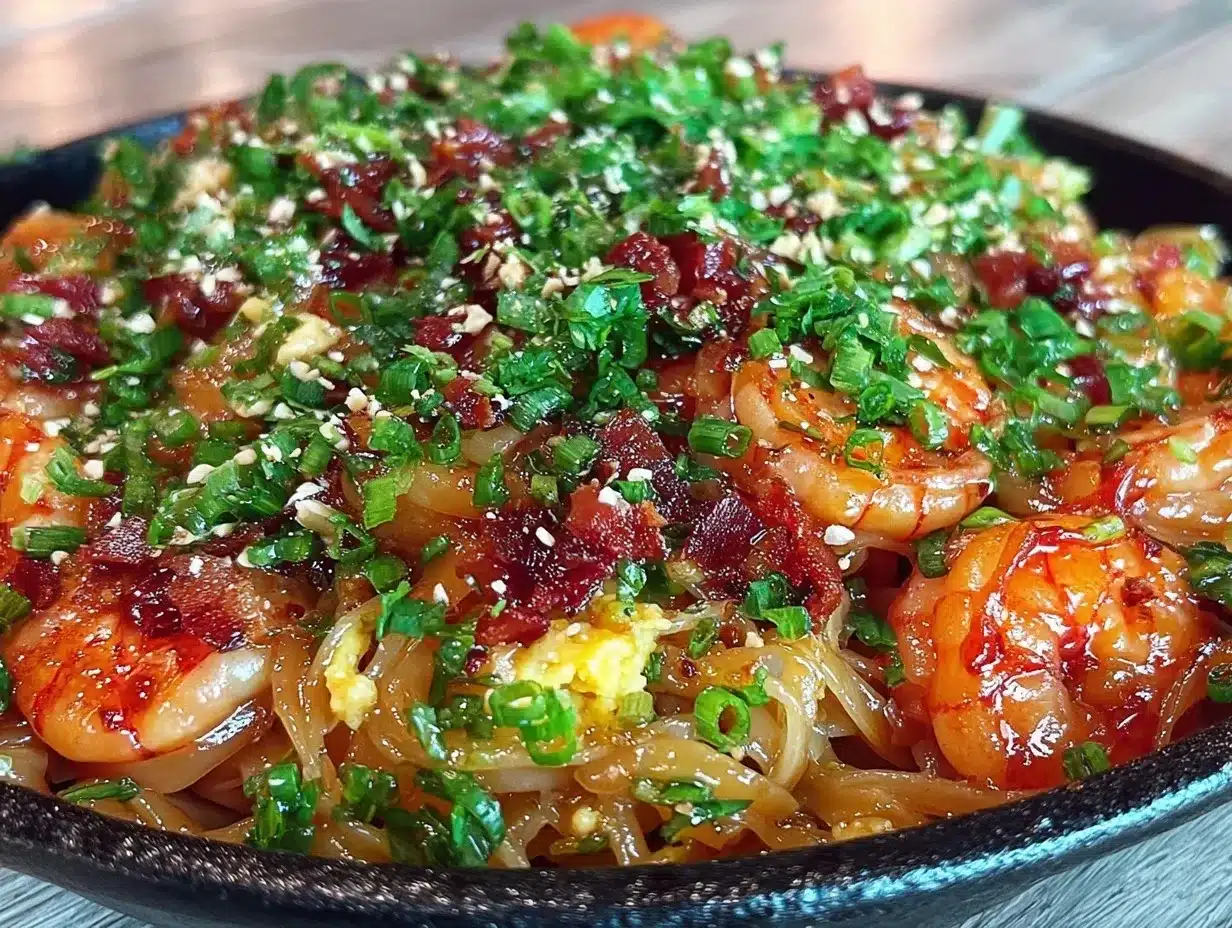
- Soak the Rice Noodles: Place 8 ounces (225 g) of dried rice noodles in a large bowl and cover with warm water. Let them soak for 20–25 minutes until pliable but still a bit firm (al dente). Drain and set aside. (Note: Avoid soaking too long or the noodles get mushy later.)
- Prepare the Pad Thai Sauce: In a small bowl, whisk together 3 tablespoons tamarind paste, 3 tablespoons fish sauce, 2 tablespoons palm sugar, 1 tablespoon rice vinegar, and 1 teaspoon chili flakes. Adjust the heat and sweetness to your taste. Set aside.
- Cook the Protein: Heat 2 tablespoons of oil in your skillet over medium-high heat. Add 8 ounces (225 g) of shrimp, chicken, or tofu and cook until just done (shrimp pink and opaque, chicken cooked through), about 3–5 minutes. Remove from the pan and set aside.
- Scramble the Eggs: Lower heat to medium. Pour in the beaten eggs and cook, stirring gently, until softly scrambled. Break into small curds. (Tip: Don’t overcook; you want tender, moist eggs.)
- Sauté Garlic and Veggies: Add a little more oil if needed, then toss in 2 minced garlic cloves and cook for 30 seconds until fragrant. Add shredded carrots and green onions; sauté for 2 minutes until slightly softened.
- Add the Noodles and Sauce: Toss drained rice noodles into the skillet with veggies and eggs. Pour the sauce over and toss everything together with tongs or spatula. Cook for 3–4 minutes, stirring frequently, until noodles are tender and evenly coated. (If mixture seems dry, splash in a tablespoon of water or broth.)
- Return Protein to the Pan: Add the cooked shrimp, chicken, or tofu back in. Toss gently to combine and heat through for another minute.
- Finish with Bean Sprouts: Stir in 1 cup fresh bean sprouts just before removing from heat to keep their crunch.
- Serve: Plate your Pad Thai and garnish with crushed peanuts, fresh cilantro, and lime wedges. Squeeze lime over each serving for that signature tangy pop.
Pro tip: If your noodles start sticking, a quick splash of oil or water helps loosen them up. Also, don’t overcrowd your pan—work in batches if needed. This method is forgiving, so don’t stress about perfect timing; just keep tossing and tasting.
Cooking Tips & Techniques
Getting Pad Thai right on your first try can feel intimidating, but once you know a few tricks, it’s a breeze. Here’s what I’ve learned from my many attempts:
- Soaking Noodles Just Right: The noodles should be flexible but still firm. Too soft, and they’ll turn mushy when cooked. If you forget to soak them, you can briefly boil, but soaking is gentler and less likely to overcook.
- Balance Your Sauce: Taste the sauce before adding it all in. Adjust sweetness, saltiness, and acidity to your liking. Remember, the lime wedges at the end brighten the flavor further.
- Use High Heat for Stir-Frying: This helps caramelize ingredients and gives that slightly smoky “wok hei” flavor, even in a skillet.
- Don’t Skip the Crunch: Bean sprouts and peanuts add textural contrast that’s essential. Add bean sprouts last to keep them crisp.
- Multitask Efficiently: While noodles soak, prep sauce and chop veggies. It saves time and keeps the cooking flow smooth.
- Watch Your Protein: Overcooking chicken or shrimp makes them rubbery. Cook just until done and toss back in at the end to heat through.
- Use a Silicone Spatula or Wooden Spoon: They’re gentle on noodles and help toss everything evenly without breaking the strands.
I’ve had my share of sticky noodle disasters and overcooked eggs, but these tips have helped me avoid those common pitfalls. If you want a similar fuss-free dinner vibe, you might enjoy the creamy cheesy taco pasta or the easy crispy sheet pan Italian sausage and peppers recipes—they’re equally straightforward and rewarding!
Variations & Adaptations
This easy one-pan Pad Thai with rice noodles for beginners is flexible enough to suit different tastes and dietary needs. Here are some ways to switch things up:
- Vegetarian/Vegan: Skip the fish sauce for soy sauce or tamari, replace eggs with extra tofu or mushrooms, and add more veggies like bell peppers or snap peas.
- Protein Swap: Try thinly sliced beef, chicken thighs, or even crispy pork belly for different textures and flavors.
- Spice Level: Adjust chili flakes or add fresh sliced chilies for heat, or tone it down by skipping them altogether.
- Gluten-Free: Ensure your soy sauce or tamari is gluten-free and double-check all packaged ingredients.
- Seasonal Veggies: In cooler months, swap fresh bean sprouts with shredded cabbage or bok choy for crunch.
One personal favorite twist I’ve tried is adding a drizzle of homemade peanut sauce on top for a richer, creamier bite. It’s a little indulgent but totally worth it for weekend dinners. If you’re curious about one-pot meals with a similar combo of noodles and cozy flavors, the creamy garlic butter Tuscan shrimp pasta is a delicious choice.
Serving & Storage Suggestions
Serve your Pad Thai hot and fresh for the best texture and vibrant flavors. A squeeze of lime right before eating brings the whole dish alive. I like to plate it with extra crushed peanuts and cilantro on the side so everyone can customize their bowl.
This dish pairs beautifully with a light cucumber salad or a side of steamed greens to balance the richness. For drinks, a cold jasmine tea or a crisp lager complements the tangy, nutty flavors well.
Leftovers keep well in an airtight container in the fridge for up to 2 days. When reheating, add a splash of water or broth and gently warm in a skillet to prevent the noodles from drying out. Microwaving works but can make noodles a bit gummy.
Interestingly, the flavors tend to deepen after sitting overnight, so some folks actually prefer it the next day. Just remember to add fresh bean sprouts and peanuts if you saved some for garnish, as they lose their crunch after refrigeration.
Nutritional Information & Benefits
This recipe serves about 3–4 and offers a well-balanced meal with carbs, protein, and healthy fats. Here’s an approximate breakdown per serving:
| Calories | 400–450 kcal |
|---|---|
| Protein | 25–30 g (depending on protein choice) |
| Fat | 12–15 g (mostly from peanuts and cooking oil) |
| Carbohydrates | 45–50 g |
| Fiber | 3–5 g |
The key ingredients contribute health benefits: tamarind offers antioxidants, peanuts provide heart-healthy fats and protein, and rice noodles are naturally gluten-free. The dish is relatively low in saturated fat and can easily be made dairy-free. Just be mindful of allergens like peanuts and fish sauce for sensitive eaters.
From a wellness perspective, this recipe fits nicely into a balanced diet, especially when paired with fresh veggies and lean protein. It’s comfort food with a nutritious twist.
Conclusion
This easy one-pan Pad Thai with rice noodles for beginners is proof that you don’t need a fancy wok or complicated prep to enjoy authentic flavors at home. It’s approachable, quick, and forgiving—making it perfect for anyone who wants great food without fuss.
I love how this recipe adapts to whatever you have on hand and still delivers a satisfying meal that feels special. Whether you’re cooking for yourself or a small group, it’s a dish that invites you to personalize and make it your own.
If you give it a try, I’d love to hear how you customize it or any tips you discover along the way. Cooking should be fun and flexible, after all. So, here’s to many cozy dinners with this simple, tasty Pad Thai as your trusty companion.
Frequently Asked Questions
Can I use fresh rice noodles instead of dried for this recipe?
Yes! Fresh rice noodles work well and usually require less soaking—just separate and warm them gently before adding to the pan.
What can I substitute for tamarind paste if I can’t find it?
A mix of lime juice and a little brown sugar can mimic the tangy-sweet flavor, though tamarind offers a unique depth that’s hard to replicate exactly.
Is it possible to make this Pad Thai gluten-free?
Absolutely. Use gluten-free tamari instead of soy sauce and double-check that your fish sauce and other ingredients don’t contain gluten.
Can I prepare any parts of this recipe in advance?
Soaking the noodles and prepping veggies ahead saves time. The sauce can also be mixed in advance and stored in the fridge for up to a week.
What’s the best way to reheat leftovers without making noodles mushy?
Warm gently in a skillet with a splash of water or broth, stirring frequently. Avoid microwaving too long to keep noodles from turning gummy.
Pin This Recipe!
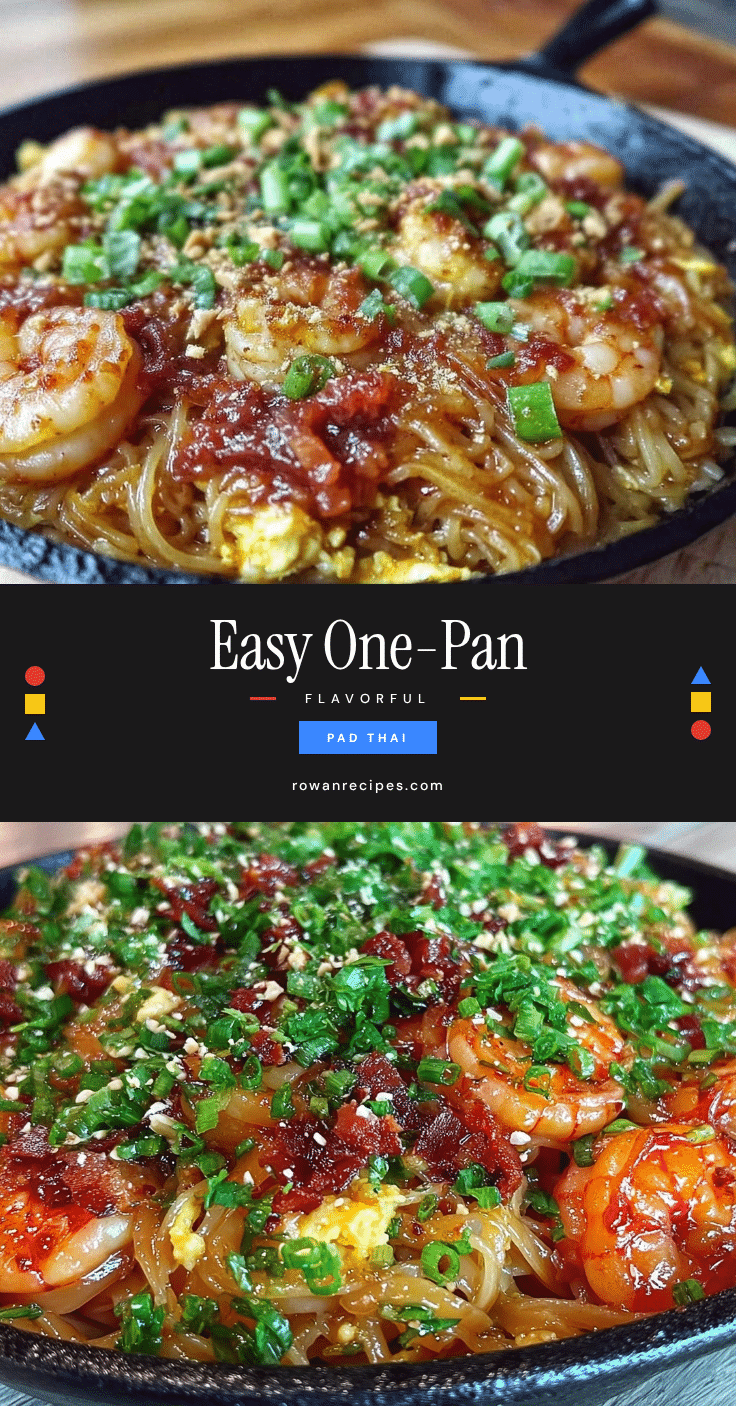
Easy One-Pan Pad Thai Recipe for Beginners Perfect Rice Noodles Meal

A quick and easy one-pan Pad Thai recipe using rice noodles, perfect for beginners and busy weeknights. This dish delivers authentic tangy, nutty, and slightly sweet flavors with minimal cleanup.
- Prep Time: 10 minutes
- Cook Time: 15 minutes
- Total Time: 25 minutes
- Yield: 3-4 servings 1x
- Category: Main Course
- Cuisine: Thai
Ingredients
- 8 ounces (225 g) flat dried rice noodles
- 8 ounces (225 g) shrimp, chicken, or firm tofu, cut into bite-sized pieces (optional)
- 2 large eggs, lightly beaten
- 1 cup fresh bean sprouts
- 2 green onions, sliced
- 1/2 cup shredded carrots
- 2 cloves garlic, minced
- 1/4 cup crushed roasted unsalted peanuts
- 1 lime, cut into wedges
- A handful of fresh cilantro, roughly chopped (optional)
- 3 tablespoons tamarind paste
- 3 tablespoons fish sauce (or soy sauce for vegetarian)
- 2 tablespoons palm sugar or brown sugar
- 1 tablespoon rice vinegar
- 1 teaspoon chili flakes or Sriracha
- 2 tablespoons vegetable or peanut oil
Instructions
- Soak the rice noodles in warm water for 20–25 minutes until pliable but still firm. Drain and set aside.
- In a small bowl, whisk together tamarind paste, fish sauce, palm sugar, rice vinegar, and chili flakes to make the Pad Thai sauce. Adjust seasoning to taste and set aside.
- Heat oil in a large skillet over medium-high heat. Cook shrimp, chicken, or tofu until just done, about 3–5 minutes. Remove from pan and set aside.
- Lower heat to medium and pour in beaten eggs. Cook gently, stirring until softly scrambled and tender. Break into small curds.
- Add more oil if needed, then sauté minced garlic for 30 seconds until fragrant. Add shredded carrots and green onions and cook for 2 minutes until slightly softened.
- Add drained noodles, veggies, and eggs to the skillet. Pour sauce over and toss to combine. Cook for 3–4 minutes, stirring frequently until noodles are tender and coated. Add a splash of water or broth if dry.
- Return cooked protein to the pan and toss gently to combine and heat through for 1 minute.
- Stir in fresh bean sprouts just before removing from heat to keep their crunch.
- Serve hot, garnished with crushed peanuts, fresh cilantro, and lime wedges. Squeeze lime over each serving.
Notes
Soak noodles just until pliable to avoid mushy texture. Adjust sauce seasoning before adding. Use high heat for caramelization. Add bean sprouts last to keep crunch. If noodles stick, add a splash of oil or water. Work in batches if pan is crowded. For vegan version, use soy sauce instead of fish sauce and omit eggs.
Nutrition
- Serving Size: About 1 plate (appro
- Calories: 400450
- Sugar: 810
- Sodium: 8001000
- Fat: 1215
- Saturated Fat: 23
- Carbohydrates: 4550
- Fiber: 35
- Protein: 2530
Keywords: Pad Thai, one-pan recipe, rice noodles, easy dinner, Thai food, quick meal, beginner friendly